GEMBA visits: finding solutions where the work happens
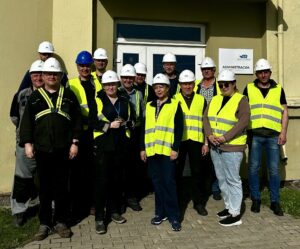
The teams of Klaipėdos Laivų Remontas and Klaipėdos Pilies Uostas have conducted their first joint GEMBA Walk across the companies’ operational site.
The term GEMBA originates from Japanese and means “the real place” – the place where value is created and where the actual work takes place. The methodology is widely used across manufacturing, engineering and many other industries worldwide. Its core principle is to base decisions on real workplace conditions by observing processes firsthand, engaging with employees and gaining a deeper understanding of the challenges encountered in day-to-day operations.
During the first visit, particular attention was given to occupational safety, workplace organisation and housekeeping, the layout of materials and equipment, process efficiency, and potential obstacles affecting operational performance. Participants recorded observations, discussed opportunities for improvement and exchanged practical insights and experiences.
Importantly, a GEMBA Walk is not an audit or an inspection. Rather, it is a collaborative learning and continuous improvement process built on dialogue and the joint search for solutions.
“It is encouraging to see such active engagement from colleagues, constructive discussions and a genuine willingness to work together in finding solutions. Only by working collaboratively can we create a safer, more efficient and stronger organisation,” said Ingrida Streckienė, Managing Director of Klaipėdos Laivų Remontas.
In the coming weeks, the observations and suggestions gathered during the visit will be reviewed and consolidated, with priority actions and implementation timelines identified. The plan is to distinguish between quick-win improvements and longer-term initiatives that will contribute to enhancing both the working environment and operational performance.
It is envisaged that GEMBA Walks will become a regular part of the companies’ activities, supporting the continuous development of a strong safety culture, improved processes and greater employee involvement in identifying and implementing the best solutions for everyday operations.